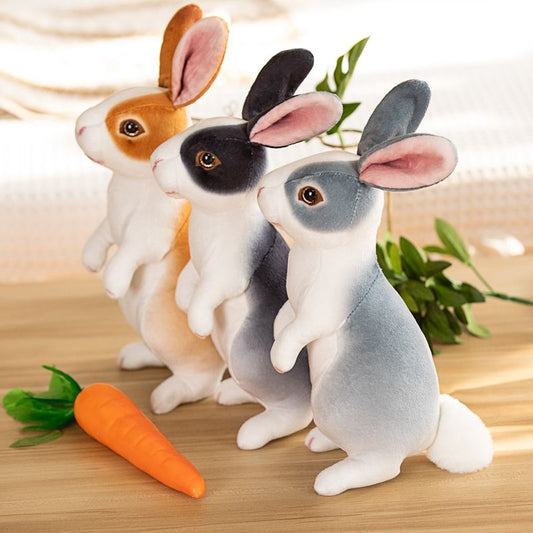
Lifelike Plush Toy collection brings animal-inspired companions closer to the real thing, with carefully observed features, natural colors, and soft materials that invite a second look. These plush toys are a thoughtful choice for children who love wildlife, collectors building an animal display, and gift buyers searching for a character with a little more personality. From familiar pets to woodland animals and creatures from farther afield, each style offers its own expression, shape, and feel. A lifelike plush can become a bedtime favorite, a nursery accent, or a keepsake that reminds someone of a beloved animal. Explore the collection by animal type, size, and texture to find the right match.
How to choose a lifelike plush toy
Start with the recipient’s age and how the plush will be used. For a young child, a smaller, easy-to-hold animal with a simple shape may be more practical than a large plush with long fur or detailed accessories. Always check the product listing for age guidance and care instructions before buying.
Think about the animal itself. A dog, cat, rabbit, or bear can feel personal when it resembles a family pet or favorite animal. Wildlife plush toys such as foxes, owls, elephants, and marine animals suit nature fans and collectors who enjoy learning about different species.
Size matters more than it first appears. Small plush toys fit easily into gift bags, backpacks, and display shelves. Medium sizes often work well for cuddling. Larger animals make a stronger room feature, though they need more storage space.
Texture is another useful consideration. Short-pile fabrics tend to show animal markings clearly, while longer fur can create a fuller look. Check facial details too. Gentle eyes, stitched noses, floppy ears, and realistic paws all shape the plush toy’s character.
For collectors, consider scale. Choosing animals with similar proportions can help a display feel more consistent over time.
Caring for and displaying animal plush toys
A lifelike plush toy can stay looking its best with regular, gentle care. Dust is the most common issue for plush toys kept on shelves, especially in bedrooms, nurseries, and open display areas. A soft brush, lint roller used lightly, or a clean cloth can remove surface dust without pulling at the fabric. For plush with longer fur, brush in the direction of the pile using slow strokes.
Before washing any plush, read its attached label or product care notes. Some toys can be spot-cleaned with a damp cloth and mild soap, while others may have specific washing directions. Avoid soaking a plush unless its label says it is suitable for washing. Excess moisture can affect stuffing, shape, and internal details.
Keep plush toys away from direct sunlight for long periods, as bright light may gradually fade fabric colors. If you are displaying a collection, a shelf, bookcase, or glass-front cabinet can help protect pieces from dust while keeping them easy to enjoy. Give larger plush toys enough room so ears, tails, and paws are not bent under heavier items.
For gifting, consider the moment the plush is meant to mark. A realistic puppy can suit a pet lover, while a woodland animal may be a lovely birthday or baby shower gift. Pairing the animal with a card that explains why it reminded you of the recipient can make a simple plush feel especially personal.
Collectors may also want to keep original tags where possible. Tags can identify a character, range, or release period, and some collectors prefer to retain them for reference. If a plush will be handled often, consider saving swing tags separately in a small envelope or storage box.
FAQ
### What is so special about Jellycat plush?
Jellycat plush toys are known for their soft fabrics, expressive faces, and imaginative animal and object characters. Many collectors enjoy the brand’s broad range of designs, from familiar animals to unusual characters. Popularity can also come from seasonal releases, gift appeal, and the collectable nature of different ranges.
### Why is the Jellycat so expensive?
Jellycat prices can reflect factors such as size, materials, construction, licensing where relevant, retailer costs, and limited production runs. Larger pieces generally cost more than small ones. Some retired or hard-to-find designs may also sell for higher prices through resale markets, which are separate from original retail pricing.
### How much does a Jellycat plush cost?
Jellycat plush prices vary by character, size, retailer, and region. Small items may be priced lower than medium or large plush toys, while oversized, limited, or specialty pieces can cost more. Check the individual product page for current pricing, since prices can change and differ between stores.
### What is the rarest Jellycat plush?
There is no single officially confirmed rarest Jellycat plush. Retired designs, short-run releases, older characters, and region-specific items can become difficult to find. Rarity also depends on condition, retained tags, and collector demand. Resale prices are not a reliable measure of official rarity.